I get a lot of emails about what paints, top coats and brushes I use on my projects, so here’s a little Q&A roundup I like to call Painting 101.
WHAT ARE YOUR FAVORITE PAINT BRANDS?
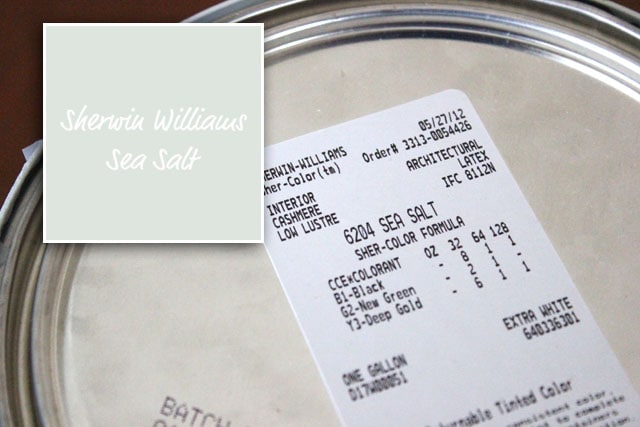
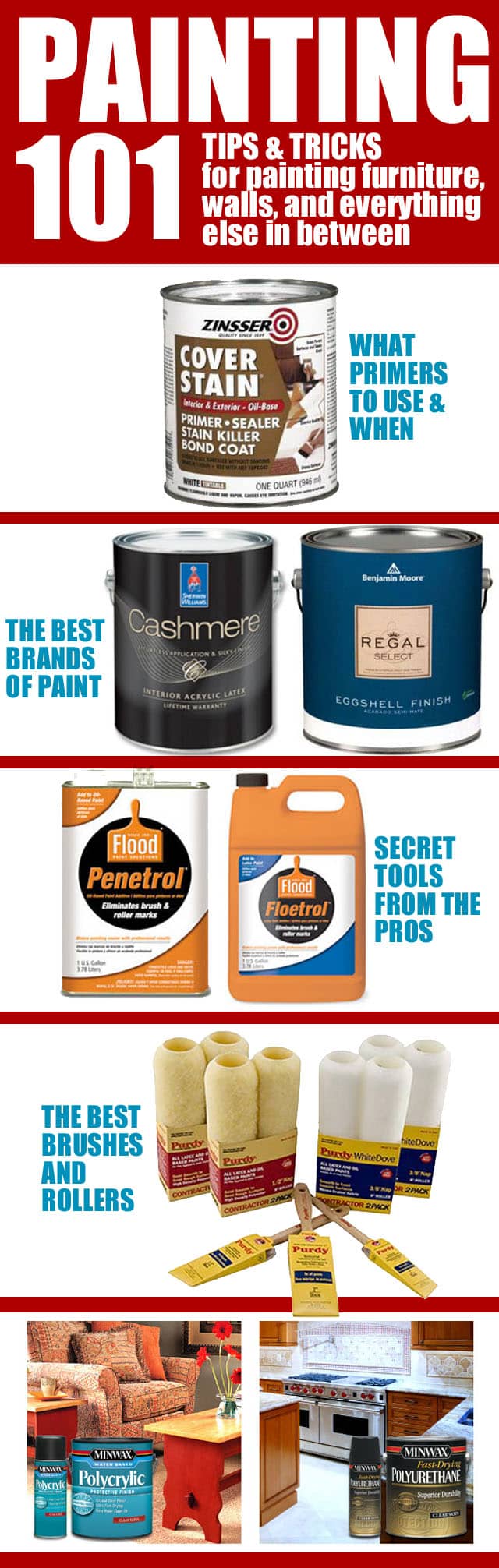
I’ve used a bunch of different paint brands in the past throughout my home, but have recently narrowed it down to my two favorite: Sherwin Williams and Benjamin Moore. The coverage is fantastic with both of these brands and I did not have to prime beforehand (including painting over bright yellow and bright red with a pale green).
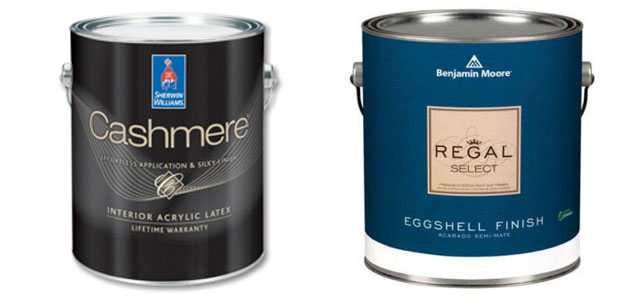 Yes, it may be a bit more expensive, but think of it as an investment. What’s a couple extra bucks when you’re talking about transforming a room? Plus cut out the primer or second coat? Definitely worth every penny.
If you are looking for something a little cheaper, I also recommend Valspar and Olympic.
 When I’m painting furniture with latex paint, I often do not use the more expensive brands of paint since I don’t need a whole gallon. I mostly use Rustoleum or Valspar in a flat or semi-gloss finish. And remember, you can always add more of a shine with your top coat!
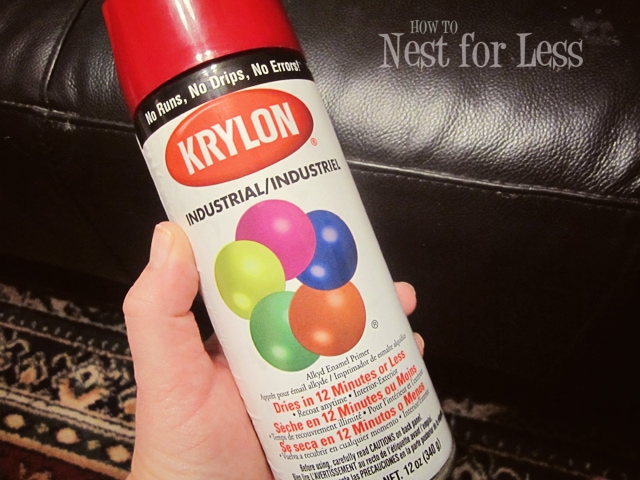
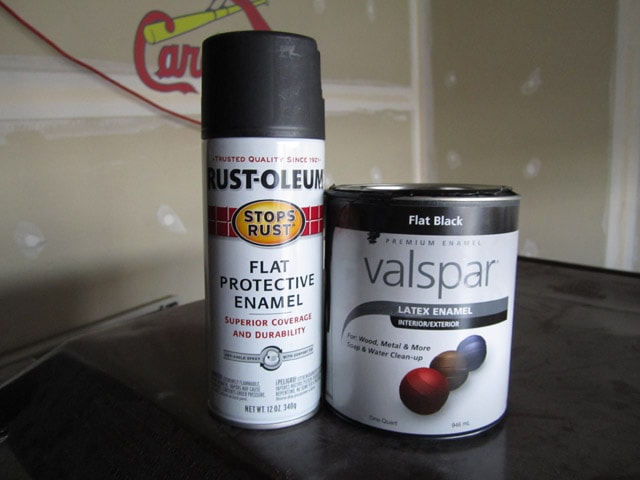 And when spray painting I always stick to Rustoleum or Krylon (industrial only), depending on the color and coverage needed.
DO YOU USE A TOP COAT?
Whenever I’m painting furniture I use a top coat, whether I’m using latex or oil paint. It really seals in your paint and gives a wonderful finish.
There are many different options for top coat, but I mostly lean towards a polyurethane. If I’m using an oil based paint I will use an oil based poly. This is longer drying and has strong fumes, but it is very strong and smooth. I would suggest using this oil based top coat when you’re painting larger pieces of furniture so you don’t get brush strokes or dragging marks.
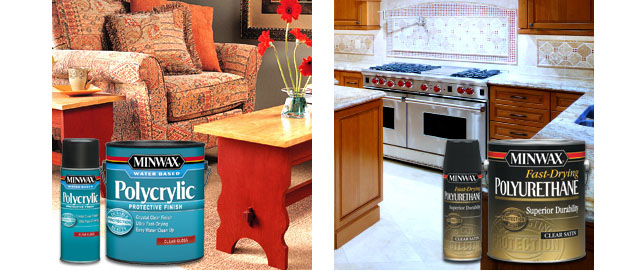
If you’re using a latex paint, you can follow it up with a water-based polyurethane like Polycrylic. This will not yellow like other top coats! It’s also fast drying so it’s great for smaller pieces.
Use quick short strokes with an angled brush to apply, and only dip about 1 inch of your brush into the poly. Sand between coats, but do not sand the final coat.
Other options for top coats are a wipe on poly. You can rub this on with a rag or heavy duty paper towel. I would suggest 4-6 coats for a strong top coat!
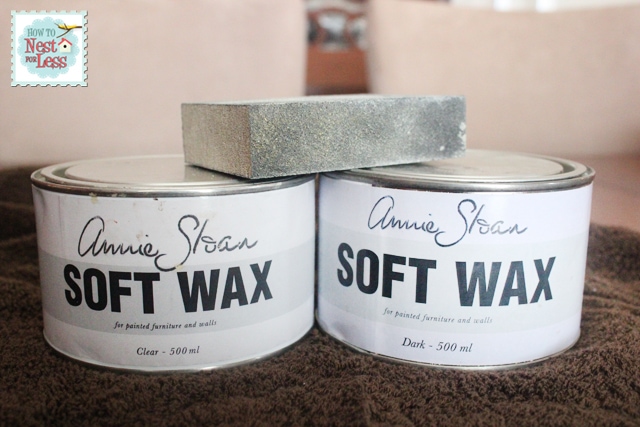 When I’m using Annie Sloan Chalk Paint I use wax as a top coat. Apply in thin coats and buff after 24 hours. Do not use wax if your piece will be in extreme heat or outdoors; the wax will melt!
WHAT TYPE OF BRUSH DO YOU USE?
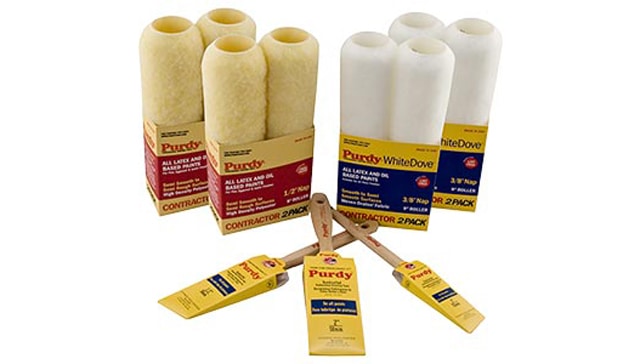
When I’m painting furniture with latex paints or Annie Sloan Chalk Paint I usually use Purdy paintbrushes. They are easy to clean with water and I don’t get little hairs in my paint! I also like using their angled brush for my top coats and when I need get paint into niches and corners.
 If I’m using oil paints I usually like to use a cheaper brand of paint brush. I’m not a huge fan of cleaning brushes… I know, lazy!
If I’m painting larger pieces of furniture, I’ll use a small foam cabinet and trim roller. You’ll usually need to paint your surface with at least two coats, but it’s worth the time for a super smooth finish!
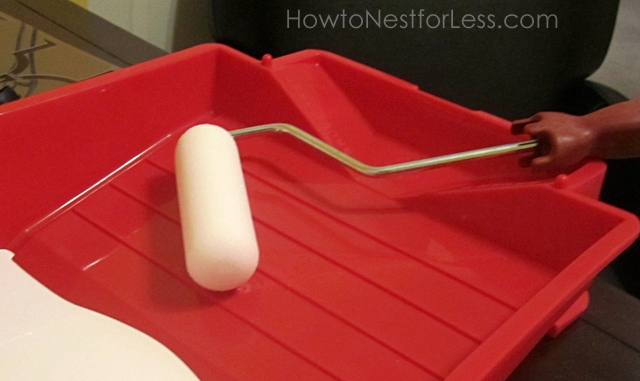 I also keep little 1 inch brushes from the Dollar Tree on hand for small quick projects! And I go through the little foam brushes like crazy (mostly for applying Mod Podge though!).
DO YOU HAVE TO PRIME BEFORE PAINTING?
It really depends. Most often times I do not have to prime my walls before painting, especially if I invest in good paint. Unless I’m moving from an extremely dark color to a lighter tone, I skip the primer.
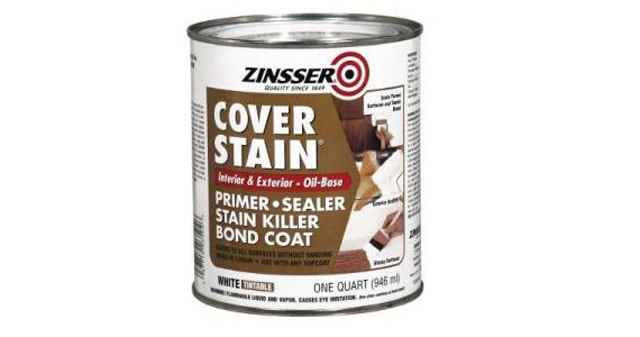
When I’m painting furniture with oil or latex paint, I always prime! My favorite primer is Zinsser Cover Stain with the brown label. It comes in a spray paint and gallon. It can be a bit pricey, but a little goes a long way!
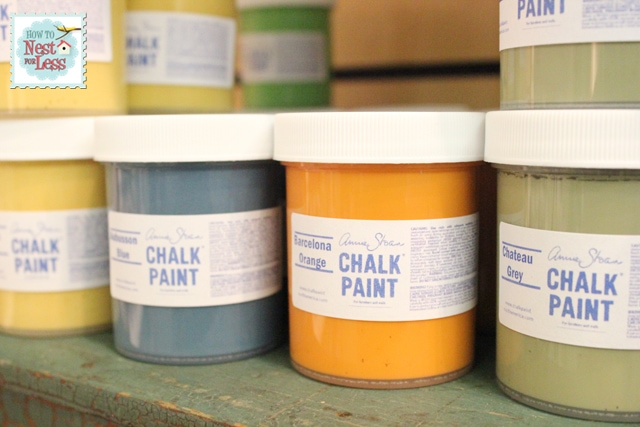
 One of the reasons Annie Sloan Chalk Paint is so popular these days is that you don’t have to prime before painting, although it really depends on the condition of the wood. If I’m covering a semi-gloss surface, I will still prime before painting. It’s just an insurance policy before I paint. I end up using less coats of ASCP in the long run since it sticks better to the primer than the slick surface.
WHAT ABOUT BRUSH STROKES IN MY PAINT?
Kate at Centsational Girl once wrote about a little painting angel called Floetrol for latex paints. It’s a paint conditioner that extends the drying time and helps remove brush strokes. It does not thin your paint; it’s just a conditioner.
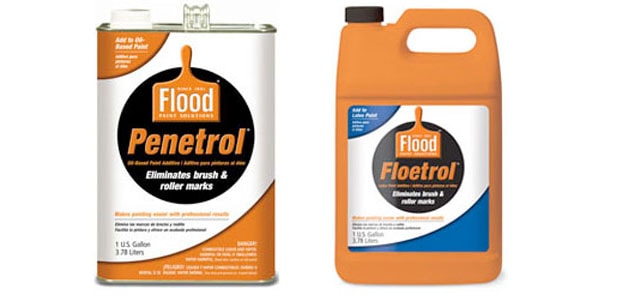 If you’re painting with oil, use Penetrol. It works in just the same way at Floetrol to remove brush strokes and roller strokes. Just follow the instructions on the bottle label.
HOW LONG DOES PAINT TAKE TO CURE?
It really depends on the paint! Most latex paints take about 30 days to fully cure. Oil paints are a little harder so can fully cure in 7-10 days. Milk and chalk paint are also about 30 days.
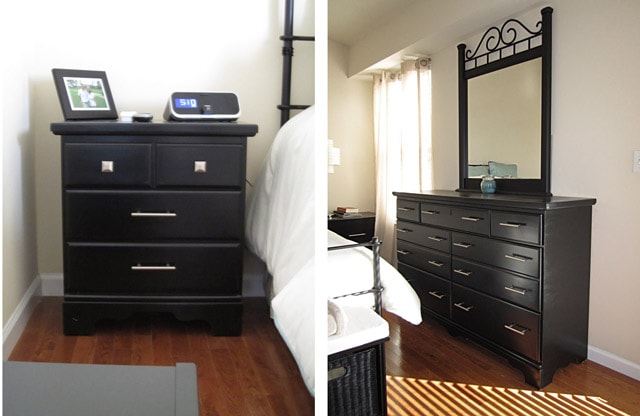 If you’re using a protective top coat (which can be applied as soon as your paint fully dries), you don’t have to worry as much about curing.
HOW DO I KNOW WHEN TO USE OIL VS. LATEX?
I have to admit I’m a huge fan of latex paint. It’s easy to clean up and dries much faster than oil. If you work fast enough that you won’t have brush strokes, a fast drying latex paint is great to work with. You can apply two coats in the amount of time it would take one coat of oil paint to dry.
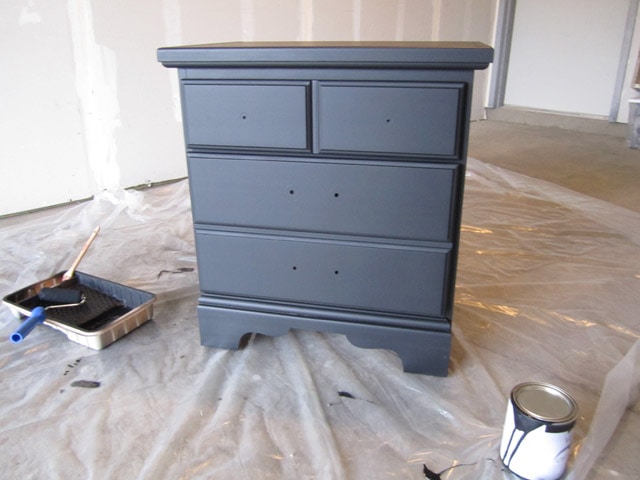 That being said, oil paint is much more durable than latex paint and goes on much smoother than latex.
Latex paint can also have trouble covering wood and will need to be sanded between coats. You should probably consider using an oil paint for high traffic furniture.
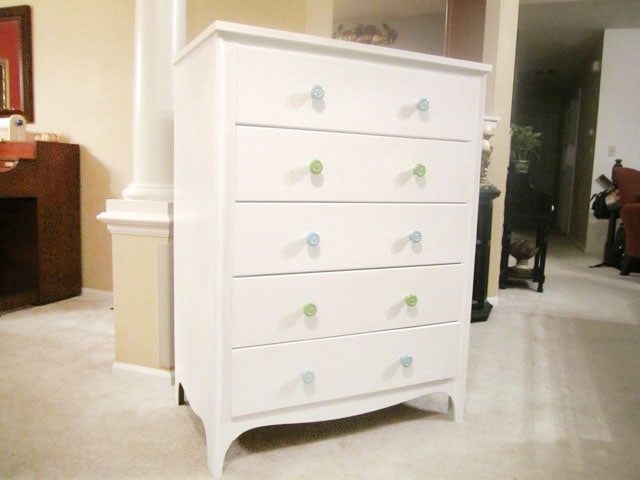 When painting with white, oil paints can sometimes yellow over time. Think about latex with a nice water-based poly that will stay bright white through the years!
HOPE THIS HELPED WITH YOUR FUTURE PROJECTS!
my rule when painting furniture or fun projects is
1 coat of primer, 2 coats of paint, 1 top coat.

Laura @ [email protected] says
Good info Erin. We have painted LOTS of walls and various pieces over here. We love the Purdy paint brushes. They make it so easy to cut in!
Laura
Brianna Sue says
Hi Erin. I’m quite impressed to see your choices. Absolutely they are the best to work with when you hope for great paintings! Thanks a lot for sharing your secret 😉
Hilary Lambert says
Hi Erin. Great blog! I actually found it when I was looking up how to add google + to my wordpress blog and saw that you had written in that they are no longer compatible. What a pain. I’m following you on Bloglovin but I’ll be joining Linky like you suggested. I see that there are many other blogs on that same site.
I saw on your “about” page that you are a graphic designer, do you happen to design blogs?? 🙂
Looking forward to more from you.
Hilary
http://www.ugobabyfitness.com
howtonestforless says
Thanks Hilary! Sorry, I don’t design any blogs at this time. Too busy with my day job & blogging!!
Jenilee hardman says
I love the annie Sloan paint but it a little over my budget. I have a small hallway table I wanted to paint. Do you have an suggestions for an alternative paint that can get me a similar look?
howtonestforless says
You can actually make your own chalk paint! Try mixing 2 cups of paint, 5 tbsp of plaster of paris, and 2 tbsp of water!
Jen says
Thank you for the great ideas. However, I have an old can of primer paint by that I meant about 3 years old from SW, can I use that or do I need to buy a new can of primer?
howtonestforless says
You’ll have to check the can to see if the paint is too old to use. Stir and smell it. If it smells rotten, then you won’t be able to use it. If it smells and stirs fine, you’re good to go!
Carol says
I have a latex painted bench–grass green that used to be on a covered porch…we moved and now I would like to put it on an outside deck. I need to touch up the paint,–with more brush on green— then can I spray on a sealer to protect it against the weather–that would be so much quicker than brush painting it.
Chantal says
I have a hutch that has a white finish on it, It is starting to yellow in places now, but I looks like its a plastic glossy finish. Artificial in way, it certainly does not look like wood, which is too bad. I would like to repaint it dark brown but I’m not sure what product is on it to begin with, so I’m not sure how to prep or what kind of product, latex or oil, to use.
howtonestforless says
I suggest that you sand any rough edges around the hutch first before painting. Prep work is the most important thing! Then use a good primer, like Zinsser. Once that is complete, I would use a latex paint. You can always give the finished piece a coat of rub on poly or wax, but the latex paint should hold up beautifully on the hutch. Hope that helps!
Kay Clark says
I am about to buy materials to refinish a large oak table (semi gloss) with grey chalk paint. Should I prime the table first, and if so, what should I use? I want some of the original oak to show through from the finish.
howtonestforless says
No need to prime, Kay. Just paint and distress for a beautiful finish! Good luck. Send me a pic when you’re done. I’d love to see it!
Megan says
I started a project yesterday- I painted my dining room table. I used a deglosser instead of sanding, and I did not use a primer before I painted. I used regular Valspar satin finish paint. Did I make a huge mistake by not applying an oil based primer? I have read so many tutorials, I guess I got confused and just did my own thing- eager to see results- and painted without priming without even thinking! I can’t believe I skipped it! Anyway, what I have done so far is applied the deglosser and wiped off, and painted the furniture piece( 2 coats) and distressed the furniture on the edges using a fine grit sanding block. My next and final planned step is to apply the water based polycrylic that I see above in your blog. Will everything be ok?
howtonestforless says
Sorry for the late reply… I think you’ll be OK Megan! You could always go back and prime over the paint and then paint again. But if you’re distressing the edges, any little knick or scratch might go with the new look and feel! Just remember, when painting anything can be redone. You can’t make any mistakes!! Good luck to you. Let me know how it turns out!
SheilaM says
I came across this blog while searching for a “how to” on thinning latex paint. I found all your information very helpful! But I do have one question–I am going to paint two end tables I scored at Salvation Army with acrylic latex paint (is Valspar all in one primer + paint, satin sheen). This paint is rather thick–my instinct is to thin it with a little water for smoother brush application on the tables (I am not fond of foam rollers); i dont really want to buy the paint conditioner thing you posted. I have heard of the water thinning before when i have had baseboards installed and painted. Is this ok with the paint + primer product i am using? I have never painted a piece of furniture before, only walls! Haha. Thank you for any advice!
howtonestforless says
Sorry for the late reply. I have never watered down paint before, unless it was chalk paint. I would test on a small section that you could always repaint over. Hope that helps! And keep me posted 😉
Kathy says
Question for you! I thought I would refinish a dining table… Sanded top, applied a primer then sprayed black. I applied several coats of valspar latex enamel by spraying. Sanded the table lightly and applied a polycrylic top coat, sanded and another coat of polycrylic. Here is my problem… Table has been drying for a week and noticed someone had left of few droplets of water on the top, I wiped them off but it was left with white marks where the water was. After a few hours the white marks disappeared but I’m wondering if I should of used a different top coat?
howtonestforless says
Polycrylic is a water based top coat and I wouldn’t necessarily recommend it for a table top (although it’s great to use with latex paint on other pieces of furniture). Instead I would suggest a polyurethane or wax since it’s a larger piece that will be used everyday. Hope that helps!
Anna says
Great post Erin!
Anna
janell says
I just painted my bathroom and I was wondering ..should I put something over the latex paint so it doesn’t come off in the shower area..
howtonestforless says
Nope! You’ll be just fine! I always use latex paint and have never had a problem 🙂
Mel says
Thank you for this post. I’ve booked marked it for further reference. I need a bit of guidance. I’m in process of redoing nightstands (sanded down, primed, 2 coats of a light grey latex paint); I’d like to put on a top coat but am worried about it yellowing over time. Will the min wax polycrylic yellow? Will it hold up to the water bottles we have on our nightstands every day? The person at home depot suggested Rust-oleum Painter’s Touch ultra cover in clear gloss but it only comes in a gloss and I’m worried it will be to glossy. I’m having a hard time visualizing the gloss finish. Help and suggestions please!
Emily says
Hello, Erin! I have a dilemma that I’m hoping you can help me solve. I have a dining room table that I would like to paint as the finish on the top surface is starting to wear out and the paint on the legs and chairs has worn down to bare wood in spots. The trouble is, I don’t have a yard or garage to work in and I am concerned about ventilation/drying when painting my table in my small apartment. Can you tell me what kinds of primer, paint, and top coat I can use that won’t gas my family out of house and home but will be durable enough to last? Thanks in advance for your help!
howtonestforless says
Hey Emily! I would recommend the Sherwin Williams Emerald line. It has stain blocking technology, plus goes on smooth. Also has great washability. Another option would be the Ace Hardware Cabinet and Trim paint line. This paint is self-leveling which basically means leaves an amazing super smooth finish. It’s also an Alkyd Enamel Paint which means a rock hard finish and totally scrubbable (great for tables!). Hope that helps!!
Nicole B. says
Wow. So much great info here. I have some questions if you would be so kind to answer..
I have a 1970’s dresser I’m determined to paint with super flat Valspar prime+paint in a light blue-green-ish color. Do you have any experience with super flat prime+paint by Valspar? I read it was a good chalk paint alternative that also didn’t need priming. Is that wishful thinking?
I have a random orbit sander with various grit paper, 80-120, and also have Bulls Eye 123 spray primer “for all surfaces” in white and MinWax natural-colored finishing paste wax, so, I could sand, prime & wax if I needed to. Before this I never even considered using a top coat (wtf!).. I just assumed the MinWax would be enough.
HOW do you know when to sand, prime, wax & top coat and how do you know which primers, paints, top coats & waxes will “work”? IF I could upcycle this fugly dresser, I also have shitty, plain, wooden Ikea furniture pieces (coffee table, nightstand, tv stand, bed/headboard) that I would love to paint off-white and lighter colors in general, but, now I’m worried about my white paint yellowing?! (Gah, wtf again!)
I also heard you MUST sand, prime & lacquer/topcoat/wax refinished Ikea furniture. All the pieces, including the dresser, are obviously currently lacquered and smooth-shiny or coated/protected in some way. (Is “lacquered” even the proper term?? Such a GD noob)
Please help! I know it’s a lot, but, there’s so much contradicting information, it is sooo confusing.
Thank you soooo much!
howtonestforless says
So sorry for the late reply Nicole! I haven’t really worked recently with the Valspar prime and paint, but I’ve heard good things about it. I would highly recommend using the Bulls Eye primer or Zinnser cover stain. It will really protect your paint and surface. You’ll need to lightly sand the entire piece before priming, then a light sand afterwards. If you decide to use an Alkaline paint (latex with a protective hard coat, Sherwin Williams has a great line) you shouldn’t need to wax. Also, with this, you dont need to worry about it yellowing. That really only happens with oil based paints. The IKEA pieces will be tricky since they have the smooth coating, but if you properly prime and use a good paint, you should be fine! Hope this is helpful. Feel free to email me if you have any other questions!!!
Nicole B. says
Thanks so much! There’s so much contradicting info out there, it’s nice to hear from someone with experience. I will end up sanding, spray priming, sanding again, painting with Behr flat paint/prime+paint (I have a regular Behr 8oz. sample but was thinking about trying out a prime+paint sample, too?), then waxing with minwax. How do you know when to use polycrylic or other more-durable top coats instead of wax? If I ended up doing the ikea furniture, I’m assuming I would at least need to use polycrylic for the coffee table, but, what would you personally use on a bed/headboard & nightstand and TV stand?
Cathy says
Clark and Kensington paint from ACE hardware (rated tops on Consumer Reports) is excellent paint with no VOCs.
howtonestforless says
That is my favorite brand of paint right now! Goes on super smooth with great coverage.
Meegan says
Are you able to tell me the name if the greyish/blue you painted the pine side table with?
howtonestforless says
That color is Old Violet by Chalk Paint® from Annie Sloan.
Charlene says
I have not been able to find the Floetrol or Penetrol anywhere. Maybe they don’t sell them in Canada?
howtonestforless says
Bummer! I know you can order it off Amazon 😉
Nancy says
I recently painted a coffee table with a flat latex. I’d like to add a protective coat but I’m unsure what to use. In my research I find most suggest polyurethanes. However, I also found information that says using these over flat or matte paints can cause the paint to absorb the polyurethane and result in cracked paint. What do you recommend to use?
howtonestforless says
I’m not a huge fan of polyurethanes, but I have found that General Finishes makes a wonderful satin high performance water-based top coat poly. And I’m a big believer of wax finishes, but you have to remember to use a light hand when applying. A little bit goes a long way!
Andre' Cialona says
I want to redo my whole bedroom set with a flat matte look. I also want to destress it slightly. I would like to use a cream color. My furniture is high gloss mahogany. What paint and procedures would you suggest? Thank you!
howtonestforless says
I would suggest chalk paint. Either Annie Sloan, Belle Craie, or Maison Blanche (the latter two are my favorites because they’re a little bit thinner and don’t show as many brush strokes). With chalk paint there is no need to prime first, just go ahead and paint! – although you might want to lightly sand first. I suggest two coats of chalk paint. Once dried, distress with a sanding block. I use wax or a glaze on top as well. Hope that helps!
Eliza says
Thank you for all the info – it’s my go to page. Quick question about distressed look for furniture…is there any way to get the distress look if using latex paint? How to get away from not seeing the primer underneath? I rather not have expense of Annie Sloan but maybe homemade chalk is the only option if going that route? Thx 🙂
howtonestforless says
If you’re using a good primer, you will still see some of it when distressing. You might see some of the original wood, but you’ll still see some white peeking through. You can also try to add some Calcium Carbonate to your latex paint to make homemade chalk based paint!
Debra says
Every time I put a poly on a piece that I have painted I always have drips on the sides. What am I doing wrong? Even when I put a thin coat on it almost always drips somewhere. Please tell me what I am doing wrong.
howtonestforless says
Make sure you’re only dipping your brush about 1 in. into the poly and brush with long, even strokes. Make sure you keep a wet edge by overlapping each pass until the top is completely coated. Then catch any drips with your brush and smooth them into the surface. Wait about 5 minutes then look for any additional dripping. Hope that helps!